
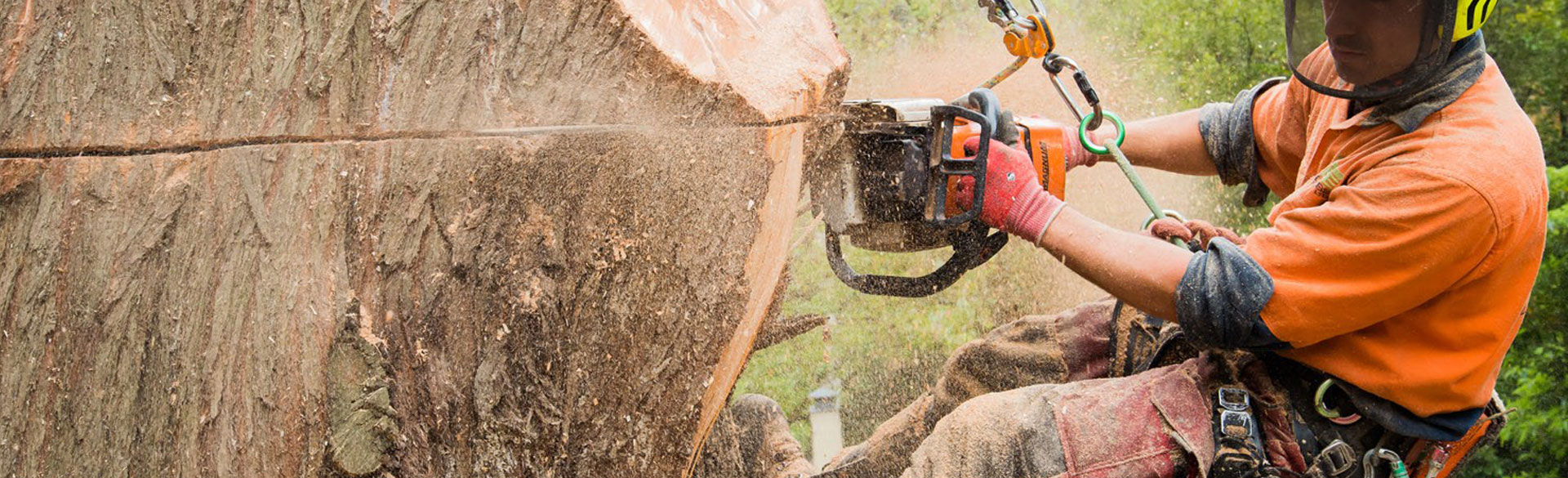
Call your Irwin Clements team today for a FREE quote!
We have the equipment needed to handle the largest or smallest jobs, while ensuring the safety of you, our workers and your property. We can provide details of insurance to put your mind at rest.
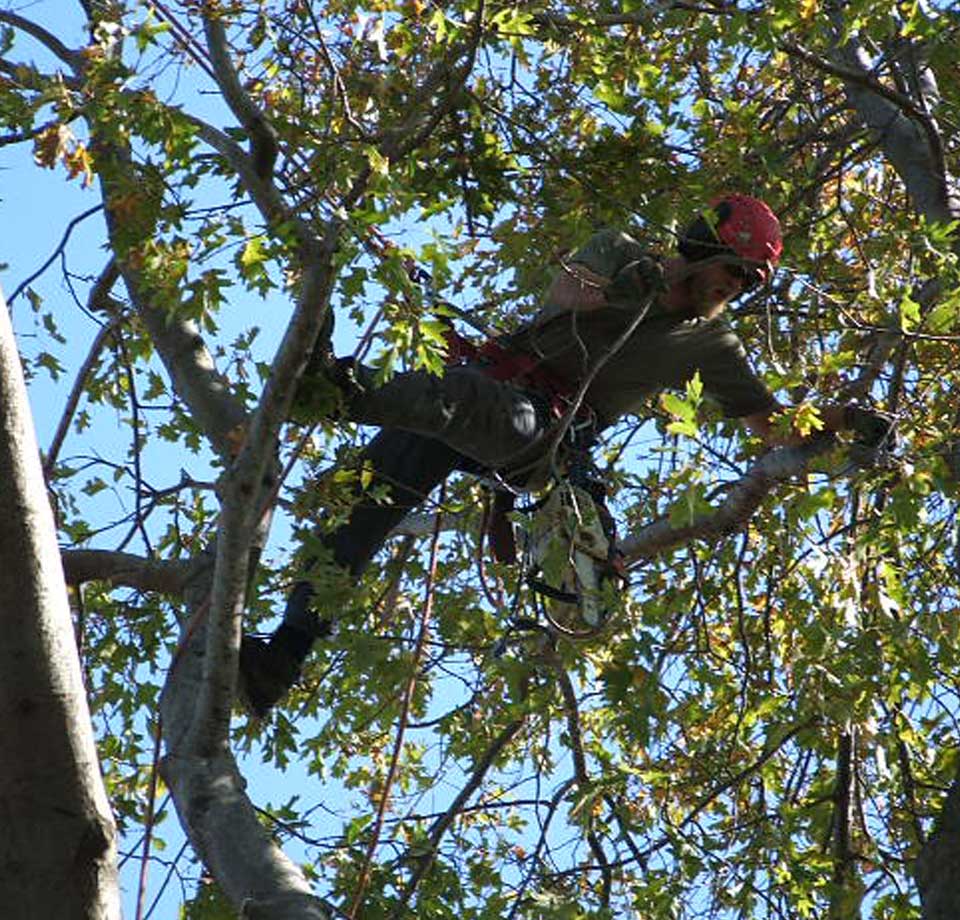
Tree Pruning: Why Less Is More When It Comes to Shaping
Reduction & Shaping services, redirects a tree’s energy toward stronger, healthier growth by removing competing, damaged, or crossing branches. But more isn’t better, over-pruning stresses a tree and can trigger weak, fast regrowth that’s more likely to fail later.
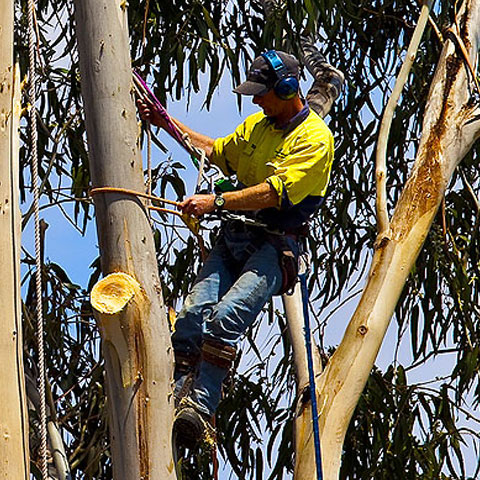
How Does Tree Pruning Help Growth?
Selective pruning helps a tree in several concrete ways:
- Removing branches that compete for light, letting remaining growth strengthen rather than stretch toward gaps
- Improving airflow through the canopy, which reduces fungal disease risk through Hobart’s damper months
- Redirecting the tree’s energy toward its strongest, best-positioned limbs instead of spreading it thin
- Reducing weight on structurally weak unions before they fail under wind or wet foliage
Why Removing Less Often Achieves More
Every cut is a wound the tree has to heal. Removing more than roughly a quarter of the live canopy in one session pushes a tree into stress response, triggering dense, weak regrowth rather than steady, strong development. Our Tree Reduction & Shaping service takes a measured, selective approach rather than a heavy one-off prune, because restraint almost always outperforms a big single cutback.
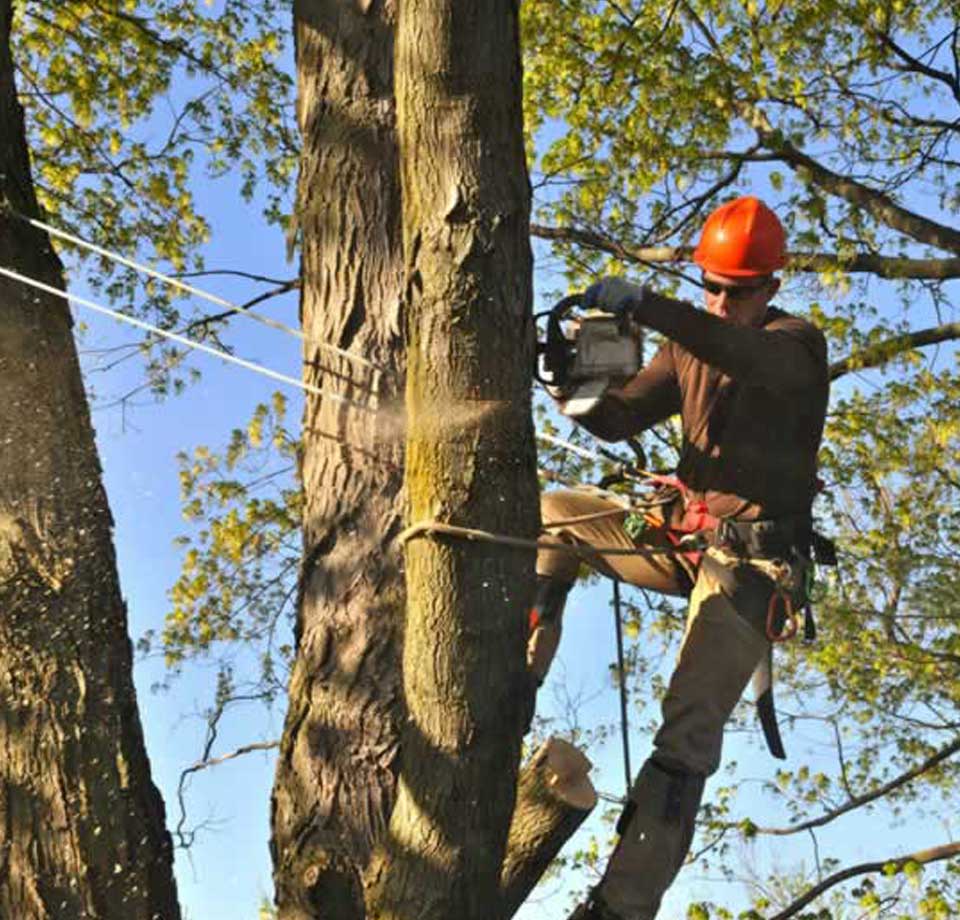
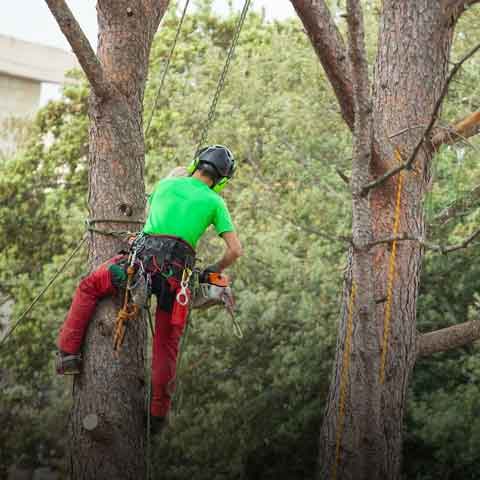
What’s the Difference Between Pruning and Lopping?
Pruning is selective and considers the tree’s natural structure, cutting back to points capable of taking over the growth. Lopping ignores that structure entirely, hacking back branches or the whole crown indiscriminately, and tends to produce exactly the weak, fast regrowth a good prune is meant to avoid.
Does Every Tree Respond to Pruning the Same Way?
No. Fast-growing species tend to tolerate more frequent, lighter pruning well, while slower-growing natives and some ornamentals recover more slowly and benefit from longer gaps between sessions. Species-specific knowledge is exactly why a blanket pruning schedule across a whole property rarely gets the best result for every tree on it.
Our Tree Climbing & Pruning and Tree Reduction & Shaping services prune with restraint, guided by species, season, and structure, not a one-size-fits-all cut.
Our arborists take the time to explain why less was removed on the day, rather than defaulting to a heavier cut just because it’s requested, since a tree pruned too hard now often needs more corrective work, and cost, over following years.
It also helps to think of pruning as an ongoing relationship with a tree rather than a one-off fix, small, regular attention tends to keep a tree in far better shape long-term than infrequent, heavy-handed sessions.
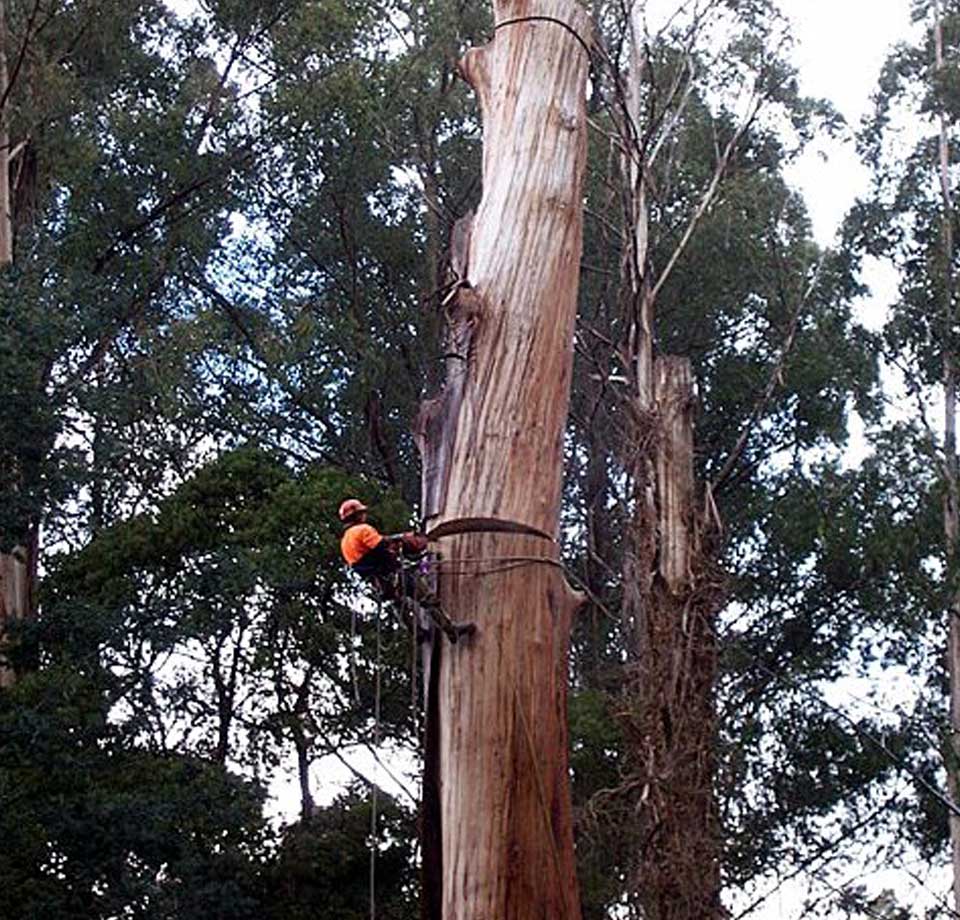
Friendly Hobart Tree Services.
Instant Systems
Instant paperless: Invoicing, Eftpos payments, Paypal and credit card etc.
Trusted and Reviewed
Consistent Volume of Reviews from customers everyday
Trusted, Reliable, and Experienced
homes serviced
satisfied clients
project done
Business Partners
Get a Quick Quote
Complete the form below, then click ‘SUBMIT’, and your friendly Irwin Clements team will be in touch with you ASAP.